Weather conditions prevented NATO fighter from shooting down Russian missile over Poland
A Swedish Gripen pilot had clearance to shoot down a Russian missile over Poland, but poor weather prevented target identification.
 🛡️Security
Photo: Ukrainska Pravda
Key points
- Gripen pilot failed to intercept missile due to weather
- Poland and NATO tracked multiple aerial threats
- Intelligence data from Ukraine was utilized in the operation
During a recent airspace violation incident in Poland, NATO aviation faced unexpected operational hurdles while attempting to intercept incoming threats. A pair of Swedish Gripen fighters patrolling the region operated under the authority of NATO's Combined Air Operations Centre. The command issued a conditional order granting pilots the autonomy to decide on engaging hostile airborne objects.
One of the Swedish pilots attempted to intercept an object preliminarily identified as a Russian Kh-101 cruise missile. However, the mission could not be completed due to severe atmospheric conditions within the interception zone. General Ireneusz Nowak stated that the pilot was unable to visually or electronically identify the target, preventing the use of onboard weaponry despite having full authorization.
Throughout the operation, military radar tracked numerous potentially threatening objects heading toward the Polish airspace, with several crossing the state border safely without causing casualties. To secure the region, Poland deployed F-16 fighter jets alongside the Swedish Gripens, supported by airborne early warning aircraft and ground-based air defense systems.
The aerial assault unfolded in consecutive stages, beginning with drones, including high-speed jet-powered UAVs, followed by cruise missiles. Polish authorities acknowledged utilizing intelligence data shared by Ukraine to track trajectories and launch sites. Debris from unidentified objects was subsequently recovered in several border voivodeships.
This event underscores the practical limitations that weather and environmental factors impose on modern air defense operations, even when advanced jets and robust rules of engagement are in place. For local communities, such incidents serve as a stark reminder of the persistent security challenges spilling over from ongoing conflicts in the region. Enhanced intelligence sharing and multi-layered defense coordination remain vital for timely threat mitigation.
Source Ukrainska Pravda — pravda.com.ua/news/2026/11/21/8063930/ ↗
Read next
 💼Economy
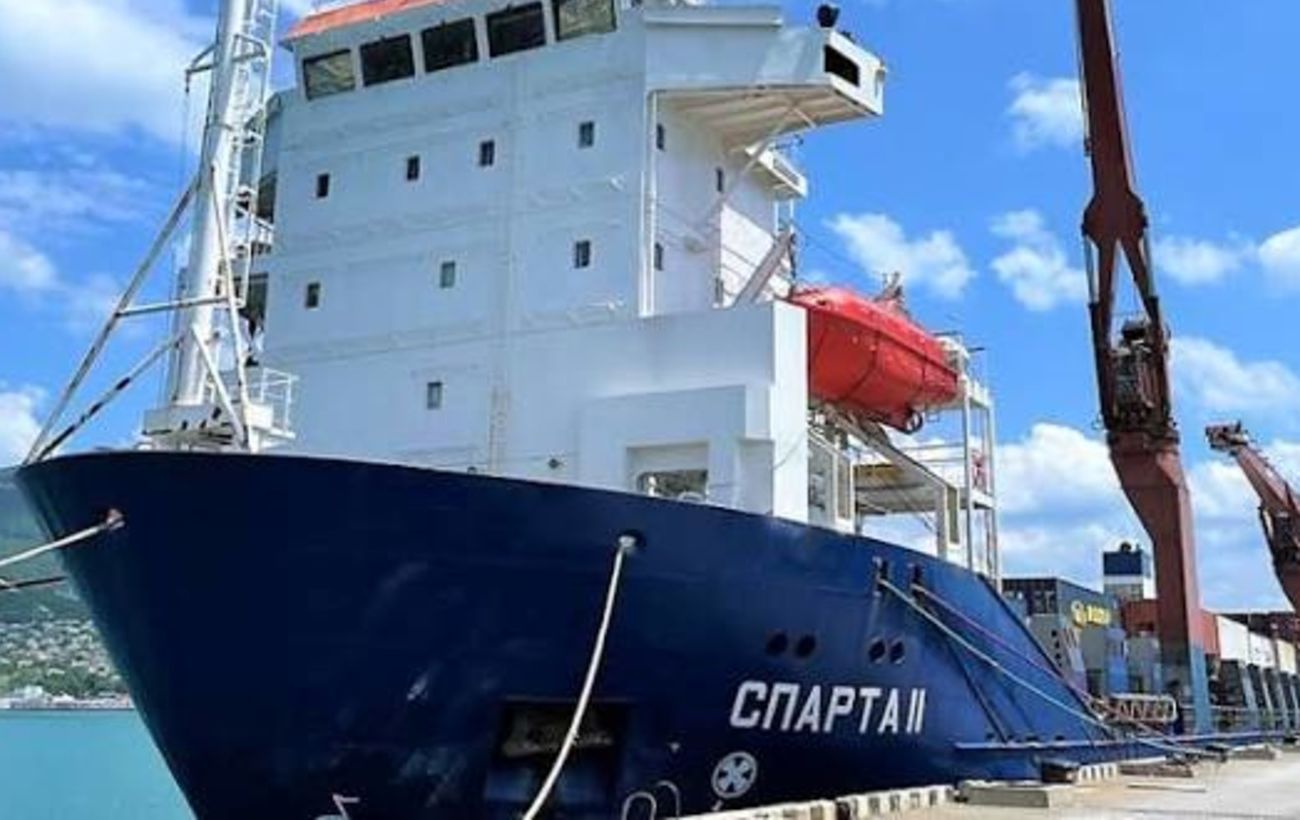
Russian Cargo Vessel Sparta II Remains Afire in Gulf of Finland After Drone Strike
Finnish authorities are continuing firefighting operations aboard the damaged Russian vessel Sparta II following a Ukrainian drone strike. The crew has been evacuated whi…
 💼Economy
How to restore softness to fluffy towels: a simple household trick
Experts shared an effective method to revive stiff towels using common salt and citric acid.
 💼Economy
Interdepartmental standoff: NABU initiates probe against SBU Alpha special forces over seized funds
The National Anti-Corruption Bureau has launched an investigation into SBU Alpha operatives involved in last year's searches.
 💼Economy
Overnight Drone Attack on Dymer: Residential Entrance Destroyed, People Searched Under Rubble
In Dymer, Kyiv Region, a strike by a hostile drone partially destroyed a five-story residential building. Currently, 14 residents are unaccounted for as rescue operations…
 🚨Events
Drunk Driver Hits Parked Car and Fence During Curfew in Nizhyn
A traffic accident involving an intoxicated driver without a license occurred on Piatnytska Street. A 21-year-old Lanos driver crashed into a Renault and a fence.
 🧠AI Analysis
The Philosophy of Reconstruction: Why Communities Must Embrace the Daily Labor of Repair
Modern challenges push Ukrainian society toward a 'broken-world thinking' mindset, where recovery relies on everyday infrastructure maintenance rather than abstract bluep…