Microplastics are chemically active: new findings on cell impact
Scientists have discovered that microplastics in water do not just pollute the environment but trigger dangerous chemical reactions that can damage biological structures.
 🩺Health
Photo: TSN
Key points
- Microplastics trigger chemical reactions in water
- Reactive oxygen species damage cells
- Heating plastic increases risks
The hidden threat of plastic particles
Research conducted by experts at Columbia University and the University of California, Berkeley, has revealed a new danger associated with microplastics. It turns out that these particles are not inert debris but are capable of actively interacting with water to create reactive oxygen species.
Scientists found that conditions on the plastic surface facilitate the formation of hydroxyl radicals. These compounds are capable of damaging proteins, DNA, and cellular integrity. During experiments with mouse red blood cells, it was recorded that contact with polystyrene leads to the destruction of cell membranes.
Why this matters for daily life
Researchers analyzed six types of plastic, including polyethylene and PET. Polyethylene and polypropylene demonstrated the highest chemical activity. The process intensifies when plastic containers are heated, for example in a microwave, or exposed to sunlight, which promotes the breakdown of the material into smaller fragments.
- Reactive oxygen species damage biological molecules.
- Heating plastic accelerates the release of dangerous particles.
- Polyethylene and polypropylene were the most active.
Source TSN — tsn.ua/zdorovya/mikroplastyk-vyiavyvsia-nebezpechnishym-niz-vvazaly-shc… ↗
Read next
 💼Economy
Russian Cargo Vessel Sparta II Remains Afire in Gulf of Finland After Drone Strike
Finnish authorities are continuing firefighting operations aboard the damaged Russian vessel Sparta II following a Ukrainian drone strike. The crew has been evacuated whi…
 💼Economy
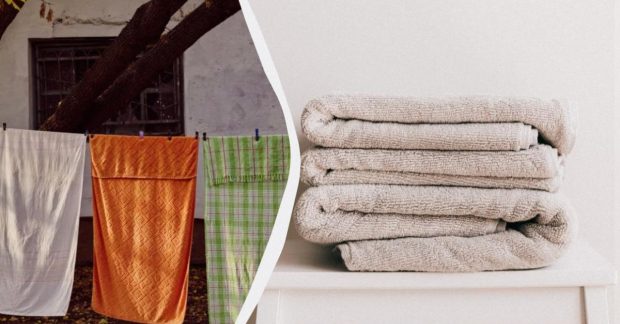
How to restore softness to fluffy towels: a simple household trick
Experts shared an effective method to revive stiff towels using common salt and citric acid.
 💼Economy
Interdepartmental standoff: NABU initiates probe against SBU Alpha special forces over seized funds
The National Anti-Corruption Bureau has launched an investigation into SBU Alpha operatives involved in last year's searches.
 💼Economy
Overnight Drone Attack on Dymer: Residential Entrance Destroyed, People Searched Under Rubble
In Dymer, Kyiv Region, a strike by a hostile drone partially destroyed a five-story residential building. Currently, 14 residents are unaccounted for as rescue operations…
 🚨Events
Drunk Driver Hits Parked Car and Fence During Curfew in Nizhyn
A traffic accident involving an intoxicated driver without a license occurred on Piatnytska Street. A 21-year-old Lanos driver crashed into a Renault and a fence.
 🧠AI Analysis
The Philosophy of Reconstruction: Why Communities Must Embrace the Daily Labor of Repair
Modern challenges push Ukrainian society toward a 'broken-world thinking' mindset, where recovery relies on everyday infrastructure maintenance rather than abstract bluep…