Military Justice Reform: Human Rights Defenders Explain Risks of Restoring Military Courts
The 'Pryncyp' human rights center analyzed initiatives to restore military courts and prosecutors, pointing out potential threats to the independence of the judiciary.
 🚨Events
Photo: Ukrainska Pravda
Key points
- Pryncyp center analyzed proposals on military justice
- Military-ranked judges could face command pressure
- Experts advocate for specializing civilian judges instead
Discussions regarding the restoration of the military justice system in Ukraine have intensified during the full-scale war, yet straightforward solutions like creating separate military courts may introduce new risks. The 'Pryncyp' human rights center for service members has closely examined proposals currently reviewed by the Verkhovna Rada's Temporary Special Commission.
Why Disputes Over Civilian Courts Arise
Proponents of bringing back military courts argue that cases involving service members should be handled by individuals with military experience, claiming civilian judges cannot fully grasp army realities. However, analysts point out that military status does not automatically guarantee knowledge of the law, and combat experience can make a judge either overly lenient or disproportionately harsh.
A major concern is the issue of subordination. If judges are granted military ranks and placed within the institutional hierarchy of the Ministry of Defense or General Staff, their independence would face direct threats. Under such conditions, judicial decisions could be influenced by command pressure rather than the law alone.
Alternative Solutions to the Problem
Throughout the full-scale war, Ukraine's civilian judicial system has accumulated substantial practice in handling military-related cases. Whenever specialized knowledge is required, the law permits involving relevant experts or ordering appropriate examinations.
As a balanced alternative to establishing a complex and vulnerable military court network, human rights defenders advocate for introducing narrow specialization among existing civilian judges. This approach would enhance the quality of decisions regarding service-related offenses while preserving fundamental standards of impartiality.
Source Ukrainska Pravda — pravda.com.ua/news/2026/11/20/8063800/ ↗
Read next
 💼Economy
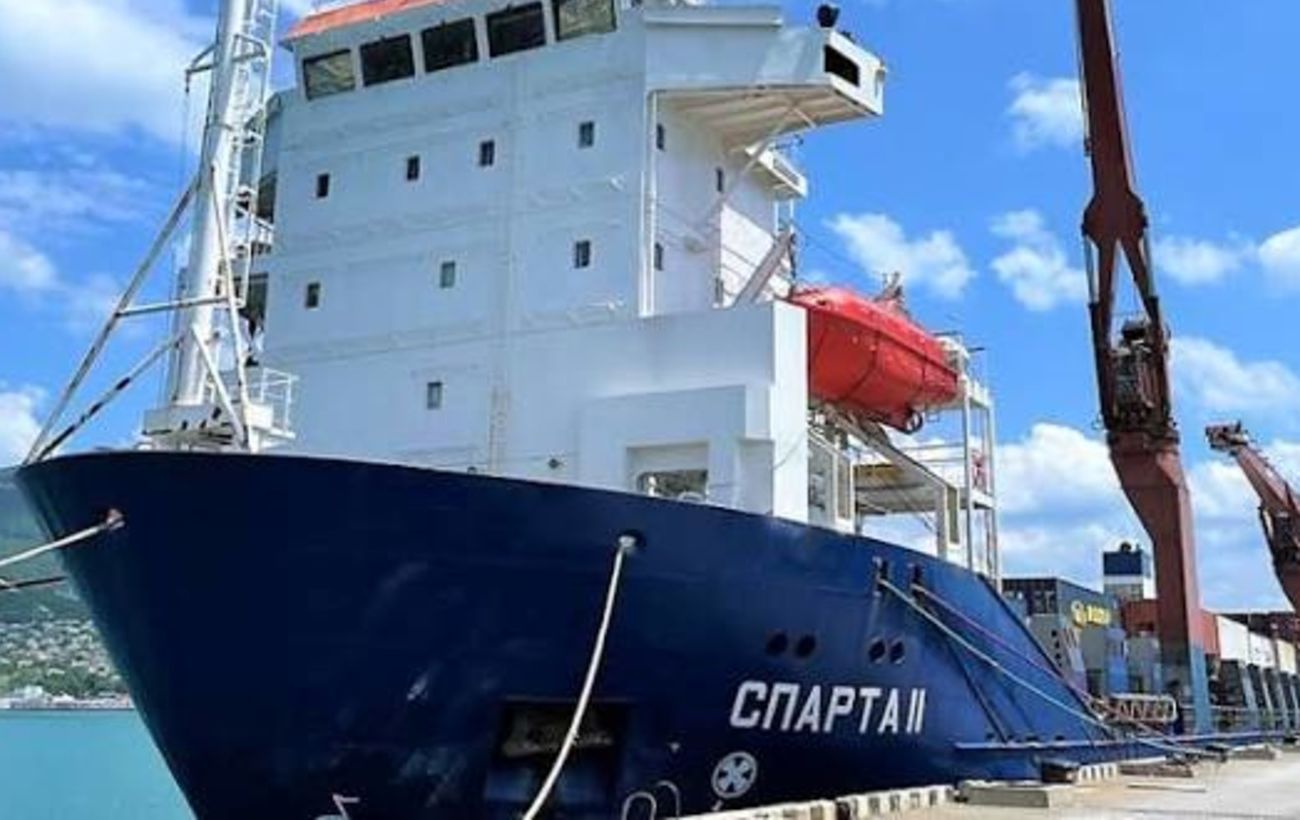
Russian Cargo Vessel Sparta II Remains Afire in Gulf of Finland After Drone Strike
Finnish authorities are continuing firefighting operations aboard the damaged Russian vessel Sparta II following a Ukrainian drone strike. The crew has been evacuated whi…
 💼Economy
How to restore softness to fluffy towels: a simple household trick
Experts shared an effective method to revive stiff towels using common salt and citric acid.
 💼Economy
Interdepartmental standoff: NABU initiates probe against SBU Alpha special forces over seized funds
The National Anti-Corruption Bureau has launched an investigation into SBU Alpha operatives involved in last year's searches.
 💼Economy
Overnight Drone Attack on Dymer: Residential Entrance Destroyed, People Searched Under Rubble
In Dymer, Kyiv Region, a strike by a hostile drone partially destroyed a five-story residential building. Currently, 14 residents are unaccounted for as rescue operations…
 🧠AI Analysis
The Philosophy of Reconstruction: Why Communities Must Embrace the Daily Labor of Repair
Modern challenges push Ukrainian society toward a 'broken-world thinking' mindset, where recovery relies on everyday infrastructure maintenance rather than abstract bluep…
 ⚽Sport
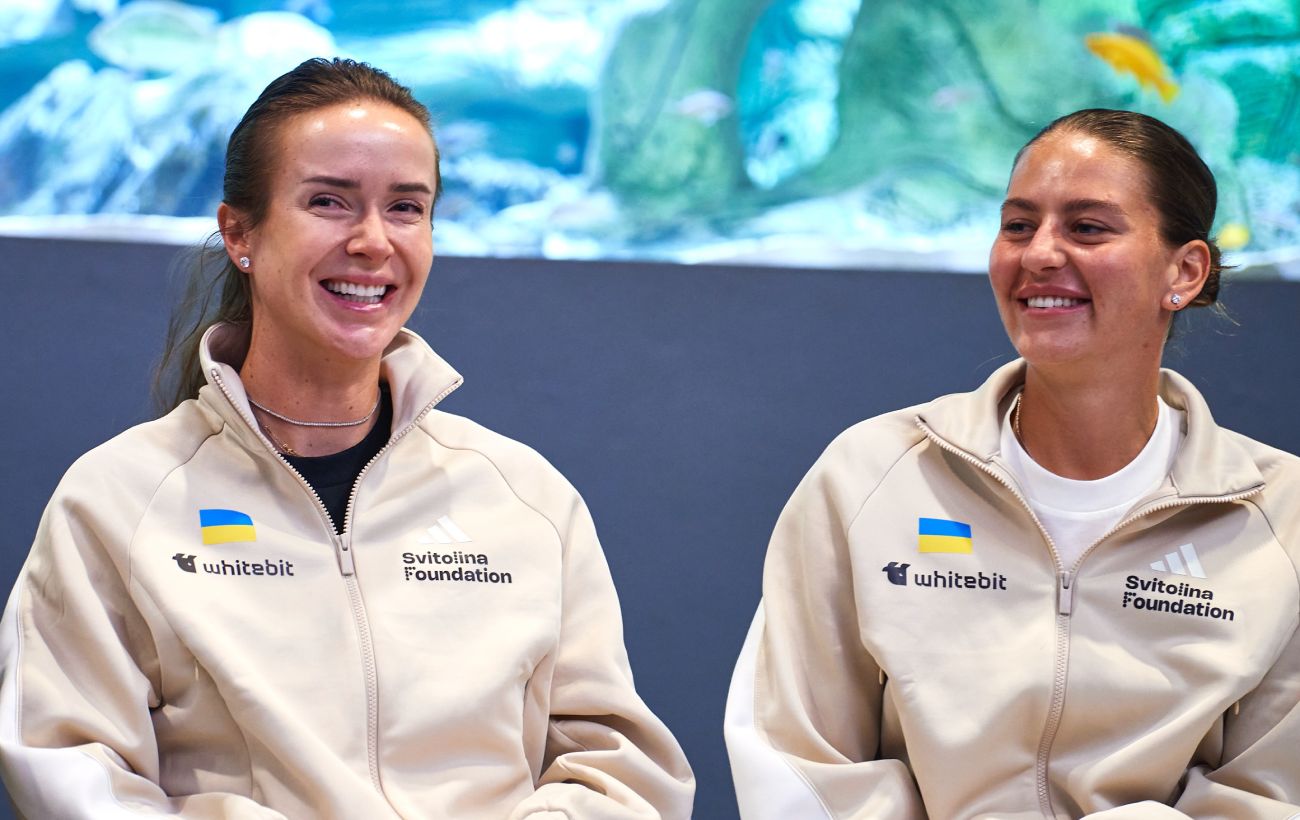
Svitolina and Kostyuk Nominated for Prestigious WTA Season-End Awards
Top Ukrainian tennis players Elina Svitolina and Kostyuk have earned nominations for the Women's Tennis Association annual awards following successful seasons.