Metallurgy Crisis in Ukraine Threatens Local Budgets and State Finances
A sharp decline in production within Ukraine's steel industry, driven by shelling, logistics bottlenecks, and energy shortages, is causing a significant drop in tax revenues and threatening municipal finances.
 💼Economy
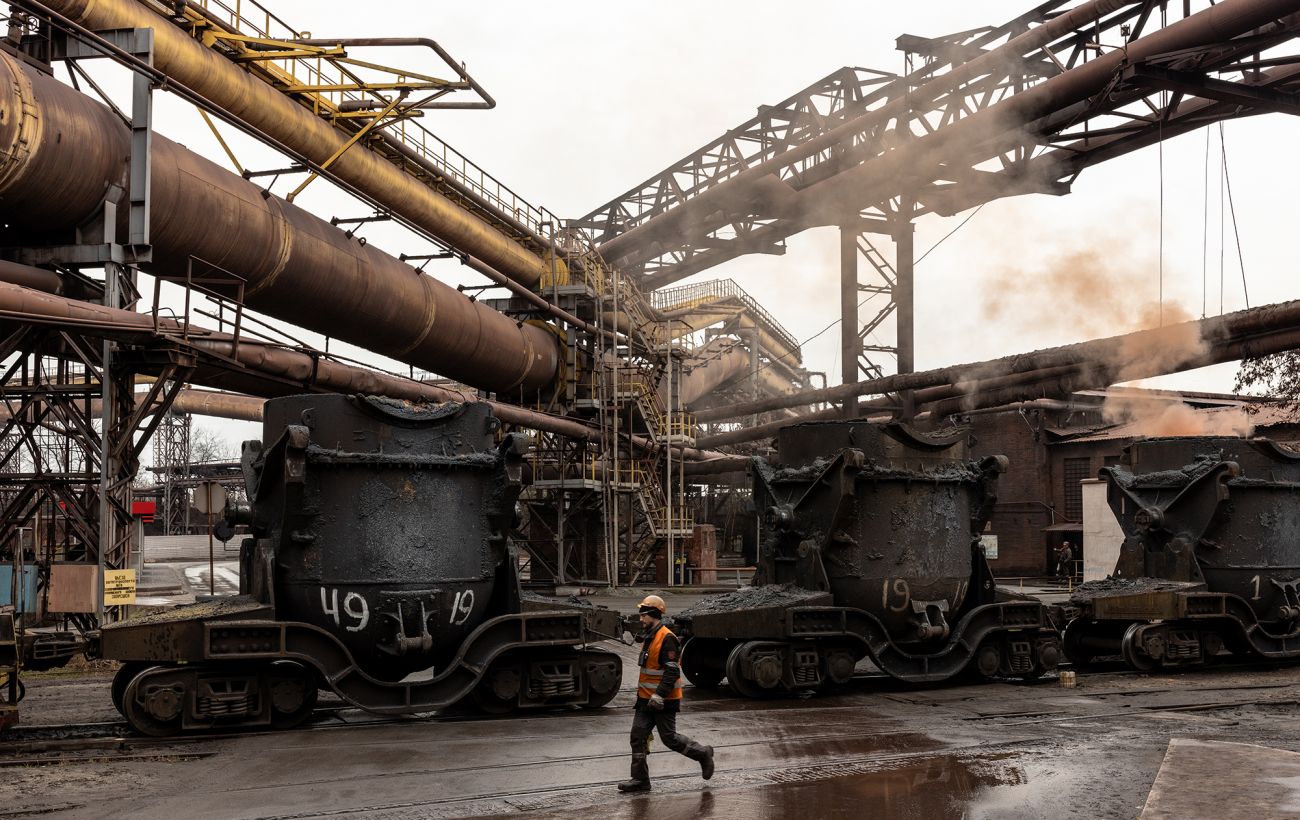
Photo: RBC-Ukraine
Key points
- Metallurgy production decline
- Tax revenue drop
- Threat to municipal budgets
- Spillover economic effects
The crisis in Ukraine's metallurgical sector has evolved from an industry-specific challenge into a systemic threat to state and local finances. Production cuts are directly translating into lower tax revenues, job losses, and reduced orders for related economic sectors.
Financial Strain on the Steel Sector
According to industry data, GMK enterprises paid about $900 million in taxes in 2025, accounting for roughly 3% of the total volume. However, conditions worsened in 2026 due to ongoing Russian attacks, Black Sea port blockades, high logistics costs, and electricity deficits. During the first nine months of 2026, Metinvest cut its tax payments by 6% to UAH 13 billion, with VAT revenues plunging by 36% and corporate profit tax dropping by 26%.
Metinvest CEO Yuriy Ryzhenkov stated that the industry has reached a critical point where steelmakers are losing the ability to produce and export, while the state faces the loss of billions of hryvnias in revenue.
Spillover Effect Across Communities
The downturn has a cascading effect, as the sector traditionally accounts for a substantial share of GDP, foreign exchange earnings, and tens of thousands of jobs. Decreased output impacts energy providers, railways, machinery manufacturing, and small businesses. Industrial cities feel the squeeze most acutely, as personal income taxes and land levies from large enterprises form the backbone of local budgets. For instance, authorities in Kryvyi Rih have already announced budget cuts and the suspension of development projects due to falling revenues.
"We are at a critical point where the country risks losing jobs and billions of hryvnias in taxes," Yuriy Ryzhenkov noted.
Experts emphasize that unblocking ports, optimizing logistics, and ensuring stable energy supplies are vital not merely for supporting individual companies, but for preserving the tax foundation of the entire state and its municipalities.
Source RBC-Ukraine — rbc.ua/ukr/news/kriza-metalurgiyi-pererostae-krizu-byudzhetiv-17954… ↗
Read next
 🛡️Security
New Geography of Maritime Threats: Incidents in Libya and the Baltic Expose Russian Logistics Vulnerabilities
A series of explosions and fires involving Russian vessels in Benghazi and the Gulf of Finland highlights the global fragility of Moscow's naval logistics.
 🛡️Security
Destruction of Russian Corvette 'Merkury' Near Libya: Impact on Moscow's Logistics
The elimination of a modern Russian warship off the Libyan coast deals a heavy blow to naval logistics and military presence in the Mediterranean.
 🛡️Security
October Casualties: Russian Strikes Kill Over 500 Civilians in Ukraine
Throughout October, Russian attacks claimed the lives of 534 Ukrainian civilians, including 16 children, while causing widespread infrastructure destruction.
 🇺🇦Ukraine
Poland to Sign Contract for Its First Nuclear Power Plant
Poland is finalizing talks on constructing its inaugural nuclear facility and aims to sign the final contract in early 2027.
 🛡️Security
Nuclear Blackmail and Starlink Threats: New Statements by Dmitry Medvedev
Russia's Security Council Deputy Chairman claimed Moscow has the right to a preemptive nuclear strike and threatened a 'space war' against Starlink satellites.
 🛡️Security
Defense Ministry Reports Surge in Russian Attack Drones and Ballistic Missile Strikes
In October, Russian forces launched over 4,000 jet-powered drones and 153 ballistic missiles against Ukraine, showing a massive escalation in air attack intensity.