The History of the Calendar: Why We Celebrate New Year on January 1st
Exploring how historical reforms and ancient traditions shaped the date we recognize as the beginning of the calendar year.
 🎭Culture & Sport
Photo: TSN
Key points
- Historical roots of January 1st
- The role of calendar reforms
- Cultural traditions around the world
From Ancient Cycles to the Gregorian Calendar
The tradition of celebrating New Year on January 1st is not accidental, although humanity has used various dates to mark the start of a new cycle throughout the centuries. In ancient times, the beginning of the year was often tied to natural phenomena, such as the spring equinox or the flooding of the Nile, which were critical for agricultural societies.
The modern date was solidified thanks to the reforms of Julius Caesar, who introduced the Julian calendar. The name of the first month, January, comes from the god Janus, who had two faces: one looking into the past and the other into the future, symbolizing transition. Later, in 1582, Pope Gregory XIII introduced the Gregorian system, which finally standardized January 1st as the start of the civil year in most countries worldwide.
Diverse Traditions
- Spain: eating 12 grapes at the stroke of midnight to attract good luck.
- Italy: serving lentils, which symbolize financial prosperity.
- Japan: ringing temple bells 108 times to cleanse oneself of worldly passions.
- Scotland: the 'first-footing' tradition, where the first guest to cross the threshold determines the household's fortune for the year.
Source TSN — tsn.ua/tsikavinki/koly-sviatkuiut-novyy-rik-chomu-data-prypadaye-na-1-s… ↗
Read next
 👥Society
The Psychology of Queues: Why We Let Others Go First
Psychologists explain that the habit of letting people with fewer items go ahead in a queue indicates high empathy and situational awareness.
 🛡️Security
Swedish Gripen fighters for Ukraine: Zelensky announces expected timeline
President Volodymyr Zelensky stated that the first Swedish multi-role Gripen fighters are expected to enter service in Ukraine as early as January.
 🎓Education
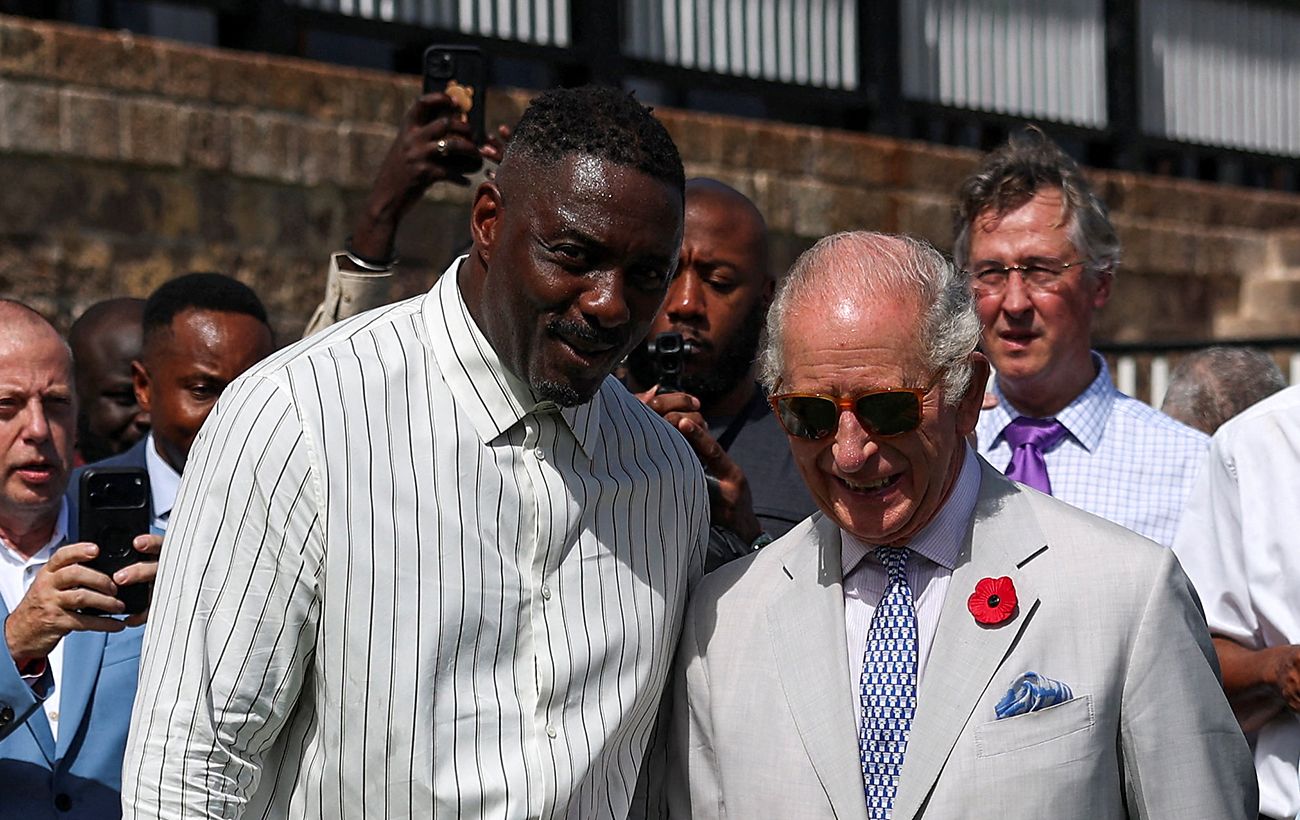
King Charles III and Idris Elba star in documentary on youth support
The British monarch and the acclaimed actor team up for a Netflix documentary highlighting the impact of charitable support on youth development.
 🛡️Security
Zelenskyy announces strengthened defense against Russian jet drones
President Volodymyr Zelenskyy held a Staff meeting to discuss countering new Russian UAVs and boosting national defense capabilities.
 🛡️Security
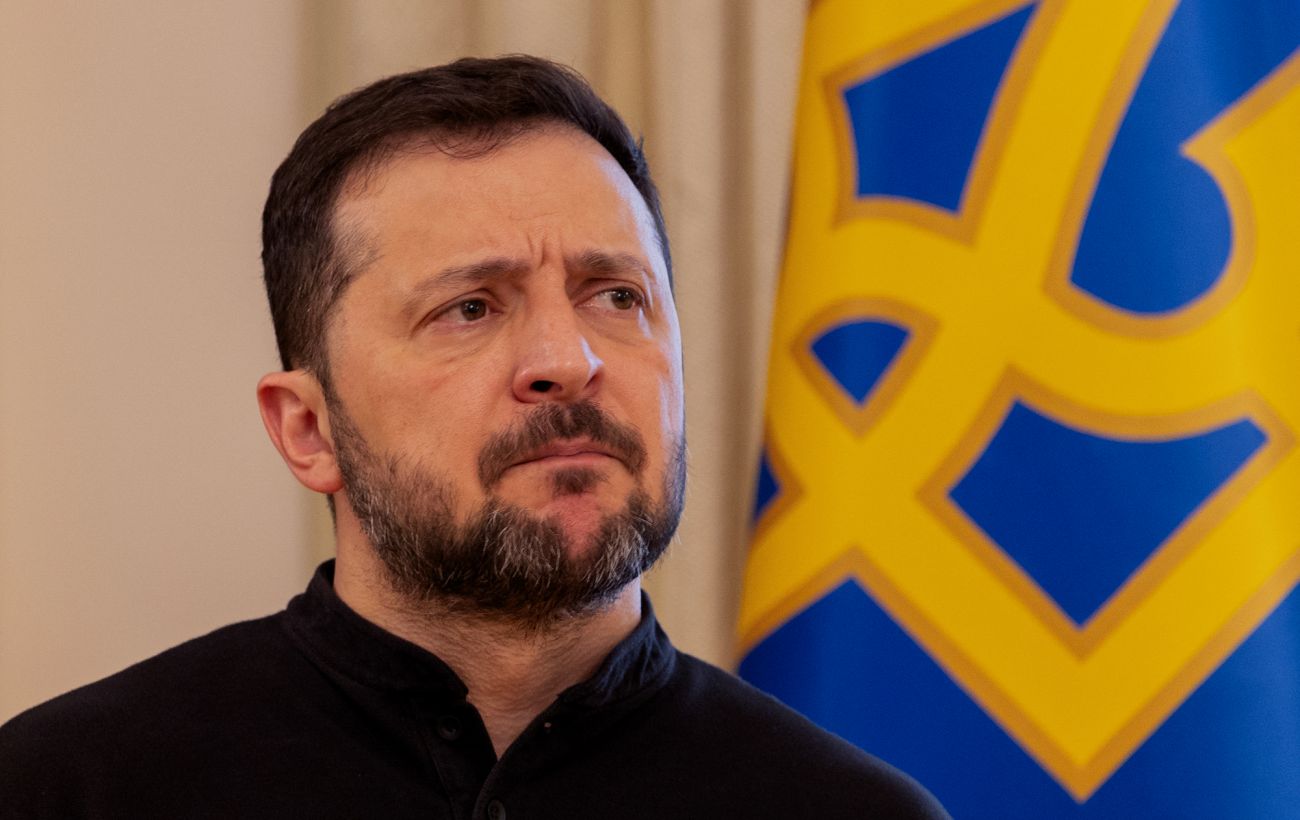
President warns of potential new massive missile attacks by Russia
Volodymyr Zelenskyy has urged Ukrainians to heed air raid alerts, citing intelligence reports on Russia's preparation for further missile strikes.
 🚌Transport
CUPRA tests high-performance version of Terramar crossover: details revealed
CUPRA is testing a new modification of the Terramar crossover, which may feature a 333 hp engine and enter the market in 2027.