How a simple kitchen foil test helps identify the cause of mold at home
A simple home test using aluminum foil can help residents determine whether damp walls are caused by indoor condensation or structural building damage.
 🧠AI Analysis
Photo: TSN
Key points
- Wall dampness can be caused by indoor condensation or external water infiltration through cracks and pipes.
- The foil test helps differentiate surface moisture from water trapped within the wall material.
- Prevention involves regular ventilation, proper heating, and maintaining optimal indoor humidity levels.
Why dampness and mold appear in homes
With the onset of cold weather, many citizens face an unpleasant problem: dark spots appear on walls in corners, paint begins to peel off, and the air becomes stale. Most often, the cause is ordinary condensation. When warm humid air from the room comes into contact with the cold surface of an exterior wall, moisture settles in the form of droplets. This happens particularly often in the kitchen while cooking, in the bathroom, or behind massive furniture tightly pressed against walls, which hinders normal air circulation.
However, the source of the problem may run deeper—right within the structure of the wall material itself. Moisture can penetrate inward through cracks in the facade, roof defects, damaged utility pipes, or poor foundation waterproofing. Before starting cosmetic repairs or covering problem areas with new wallpaper, it is essential to figure out the exact origin of the dampness, because simply masking the stains will not solve the issue and may even worsen the situation.
Checking walls using kitchen foil
To distinguish between surface condensation and internal structural issues, experts suggest using ordinary aluminum foil. To do this, cut a small square measuring roughly 20 by 20 centimeters and securely tape all four edges to a suspicious spot on the wall so that no air can penetrate underneath. After a day or two, check the results of this experiment.
If droplets appear on the outer surface of the foil facing the room, the problem is likely high indoor humidity and cold walls. If the inner side of the foil facing the wall turns out wet, it may indicate that moisture is already trapped inside the building material itself.
Of course, this household method does not provide a definitive diagnosis and cannot replace a professional expert assessment, but it helps guide further actions. If the stain keeps expanding or the wall finish continues to degrade, specialists should be consulted. For prevention, experts recommend regular ventilation, proper maintenance of exhaust hoods, and monitoring indoor microclimate with a hygrometer, keeping relative humidity within 40 to 60 percent.
Source TSN — tsn.ua/other/chomu-ziavliayetsia-plisniava-ta-mokriiut-stinyi-test-iz-f… ↗
Read next
 💼Economy
Durability test: Lynk & Co drops new station wagon off a cliff
The Chinese automaker conducted an extreme crash test of the 07 GT model to demonstrate the structural integrity of the body during multiple rollovers.
 🏙️City
Car color as a mirror of character: what your choice says about drivers in Nizhyn
Psychologists have analyzed how car color reflects a driver's personality, distinguishing between conscious choices and practical constraints.
 🏙️City
Zelenskyy says China disrupted Kremlin's plans to stage a 'Yalta-2' summit
Ukrainian President Volodymyr Zelenskyy stated that Russian dictator Vladimir Putin attempted to execute a 'Yalta-2' world re-division scenario, but China refused to part…
 💡Tech
Rare GM EV1 Electric Car Restored After 20 Years of Neglect
A unique General Motors EV1 electric car has been brought back to life thanks to a collaboration between a private workshop and the original manufacturer.
 🛡️Security
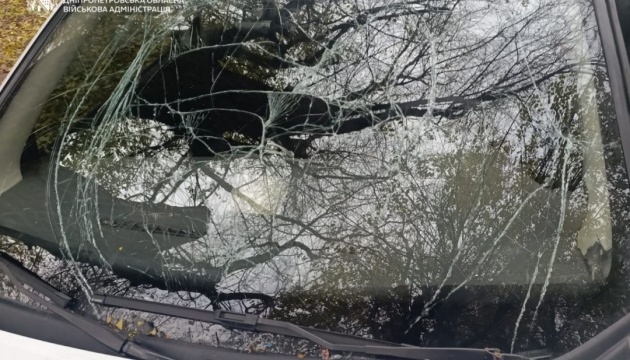
Massive shelling in Dnipropetrovsk region: five injured and infrastructure damaged
Russian forces launched nearly 30 attacks on the Dnipropetrovsk region, resulting in civilian casualties and damage to various facilities.
 🏙️City
The Continuity of Struggle: How UPA History Influences the Modern Ukrainian Military
The story of three generations of the Symchych family has become a symbol of the ideological continuity of the Ukrainian liberation movement and the modern Armed Forces.